Tuesday, 19 June 2012

Pre and Post Conquest Indigenous People

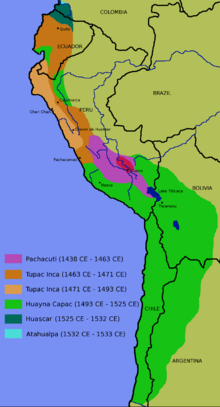
Pre conquest Indigenous people 

Incas 


Aztecs 
The Aztec cities and empire 

The different areas of Aztec empire 


Post Conquest Indigenous People


This map shows the post conquest separations and the Viceroyalties that were created by the conquistadores.


This map shows the dominant populations of indigenous people in Latin America shown in red and the pink colour represents the Mestizos living in these countries. The two countries as seen on the map that have the most concentration of indigenous people is Peru and Bolivia.


The Table below show the amount of indigenous people living in the different countries, not including mixed race. 

Contemporary political geography

Contemporary political geography 


The map below shows the different populations that live in Latin America in a pie chart on top of the country. 

The map below is the current map of how the countries are divided and called in Latin America. 


Map- Environmental Features

 Environmental Features

There are different altitudes through out Latin America, they are divided into 5 different areas from lowest to highest; Tierra Caliente, which means Hot Land. Tierra Templada, which means Temperate Land, Tierra Fria-cold land, Tierra Helada- Frozen land and Tierra nevada which means Snow land. All of these different areas have different  use for the population and for agriculture and farming. These different areas, along with the different crops that are grown are shown in the diagram below. 


Environmental sections in Latin America 
Latin America is divided in the map above into the 13 natural regions based on their similar characteristics. 

These are just some examples of the different types of ecosystems that exist in Latin America through out the 13 different sections, from vegetation to the type land and animals. 

Antilles


Cuba, Jamaica and Puerto Rico are the most common destinations in the Antilles. The main economic activities are focused on tourism and commerce. It has a tropical climate which encourages foreigners to visit and discover a paradise oasis. 


Amazonia


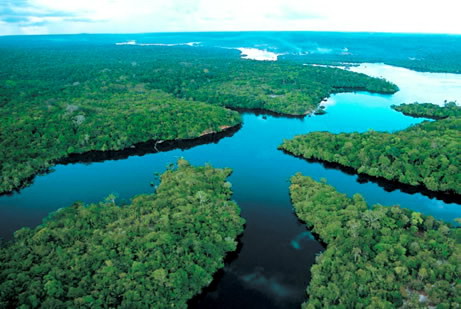
Amazonia is mostly known for the natural and un disturbed rain forest and the Amazon river. This immense ecosystem houses hundreds of different rain forest animal and plants, some of which have still to be discovered. Population of the Amazonia is very low and mostly native groups who live a very simple life separated from the exterior world. 


The Andes 
                                      

The Andes is a mountain range which spreads from Venezuela to the end of South America. It is considered the highest mountain range on land. 

Gulf-Caribbean Coastal Lowlands 


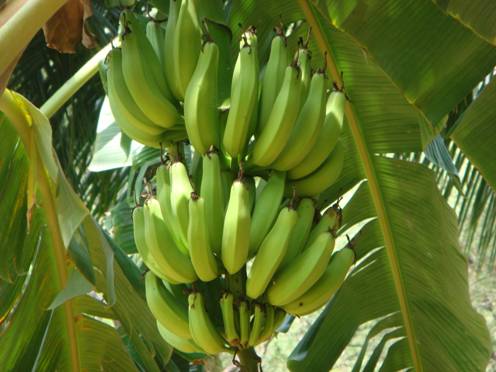
Mostly composed of swamps and mashes, these areas experience Tropical Storms through out the year. The region is considered to be sub-humid and it gets most of its rain from the warmer months. The main crop grown in this area is Bananas and another form of income is fishing. 

Pacific Littoral

                   
Starts from the peninsula of Baja California, in Mexico, represent the southern extension of the Pacific mountain system of North America. Mostly know for the beautiful beaches and ecosystems that exist. Counts with diverse physical landscapes, which allow different uses of the land and the properties that it provides. 


Cordillera Ranges: Intermountain Basins and Plateu


The area of the region is more than 12,000 kilometres. The most extensive natural region in Latin America, the cordillera is consider to be a young mountain complex. The highest recorded inhabitants in one spot in this region is of 170 million people. The vegetation vary due to the different altitudes and temperatures that exist in this region.

Brazilian Highlands 


The Brazilian highlands main geographical features are rain forests. The southern highland section is a great area for growing coffee. 

Orinoco Llanos 


This basin is the third largest basin in Latin America, the orinoco river discharges in this region. This region consist of some of the richest tropical grassland, home to more than a hundred different species of mammals and more than 700 species of birds.




Monday, 18 June 2012

Social Movements Latin America

It is very common for social movements to use key figures to promote the goal of the different social movements, both in a positive manner and in a negative manner. 


Che Guevara is commonly used for social movements. His image is used al over Latin America in various forms, in this case he is the back drop off Latin America. The text says,  "if we were capable to unite, how beautiful and close the future would be.


In this image Che's image is used again beside the text that states "the water isn't fro sale, with blood it is defended" Images like these are very common in demonstrations throughout Latin America. 


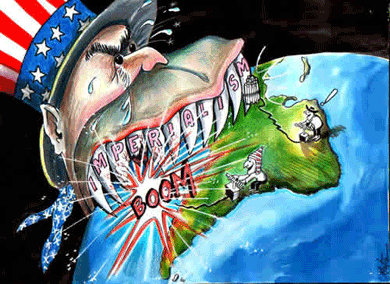
In the first image a negative depiction of the USA, these cartoons are very commonly seen in newspapers, flyers, etc. The Uncle Sam persona with sharp teeth, which have Imperialism written on them is depicted as digging into Latin America. The second image shows the iconic American Eagle tearing apart South America with its beak. This represents the unpopular view that many have of the continuos intervention of the united States in the southern countries. 


FMLN- Farabundo Martí National Liberation Front, is a socialist party in El Salvador they derived from the Guerrilla group from the civil war in the 80's and 90's.


Chavismo 
In this image the the girl is wearing a shirt that has the Venezuelan president Hugo Chavez a left winged politician. 
Here the Chavez is drawn sitting on a oil barrel dressed as an Roman emperor. The main power that the venezuelan president has (believed by many) is the vast amount of natural resources Venezuela has such as oil. 
Castrismo 
This poster is a part of the movement know as Castrismo, the celebration and almost cult like reverence. In this poster it speaks of the revolution describing it as "the fight for life, the voice of illusion, the light of Utopia, that is the revolution. 


Castro is shown in front of the cuban flag. He was thought to be the saviour of Cuba from the Corrupt  government and the interference of the United States. He's beard is part of Catrismo, all men who supported the revolution, wanted to be like him at that time. 


Zapatismo 
EZLN stands fro Zapatista Army of National Liberation. In this picture you can see a group of revolutionaries with their faces covered who support this movement. 


Women dressed in native dresses, with their faces covered in support of the Zapatista movement. 


Peronismo

"Siempre Junto al pueblo" Meaning always beside the people. This was part of Perons propaganda. He and his wife were very loved figures in politics. 


The text in this image says, "Peron is already our government". The level of worship and support that Peron had was extensive. 

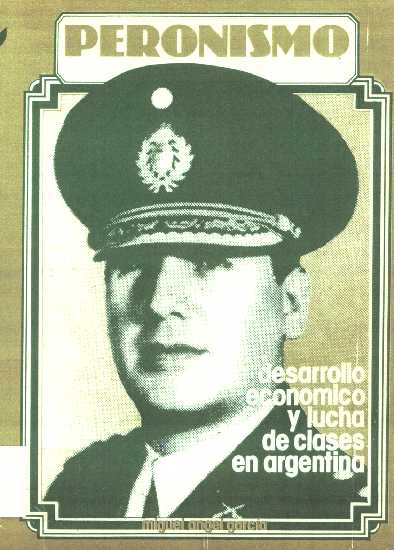
The cover of a book called Peronismo, The economic development and fight of the argentinian classes. 

Aztec Civilization


The Aztecs were a civilization of central Mexico. They spoke the Nahuatl language and dominated large parts of Mesoamerica between the 14th and 16th century. The centre of their empire was Tenochtitlan, located on an island in Lake Texcoco (where Mexico city is locate now) 


Aztec Empire 

The Aztecs were great warriors, and conquered various different civilizations that resided with in their reach. The civilizations under the Aztecs rule payed tribute to the Aztecs, such as human sacrifices for the Aztec Gods.


Artesanias and Architecture 

The Aztec empire was a fast compilation of different architecture. 

An altar known as Tzompantli, was composed of more than 240 skulls and was a representation of the region of the dead. 


Chac-mool, which means "the divine messenger" also known as the intermediate
 between the God's and the Humans


La Piedra del Sol, (The stone of the Sun) was the Aztecs calendar. 


Quino Mafalda

Quino 
Mafalda is one of the most famous cartoon strips not only in Argentina but in most of Latin America. This comic strip appears daily in most news papers even in small countries such as El Salvador. Mafalda is famously used to exteriorize adult issues. In this specific strip I find it very interesting that the authority figure in this case the humour police, asks for his papers and even though the artist provides these papers, the "Policia humoristica" is not happy with him. consequently he asks for some proof of his talent and when he does not find any of t funny arrests the man. This can be assimilated to various issues that arise in Latin America such as abuse of power, Totalitarianisms and a somewhat limited version of freedom of speech. 

Muralist Paintings and Frida Kahlo

Frida Kahlo
This painting is one of my favourites seen in class, because the pain and suffering that Frida was going through in those moments is gruesomely depicted in a way that not many would appreciate as popular art. In this painting Frida demonstrates the pain she is in do to the accident. The tears and nails al over her body add to the shocking image of her exposed broken spine. 

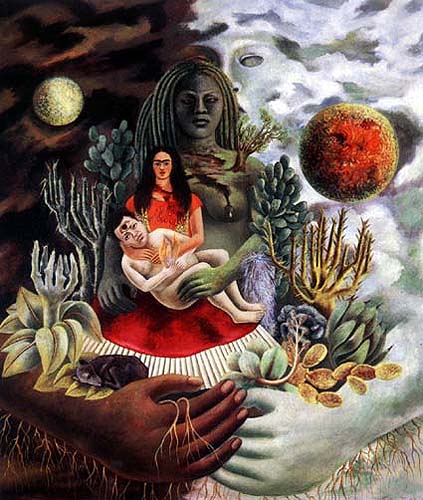
Here Frida shows herself holding her husband Diego, who she had an on and off romance with because of Diego's infidelities. The play on day and night and colours really create a mystical representation of her feelings.

Muralist painting through out Latin America
Here are some muralist from Latin America that I came across while investigating about this movement. 

EL VENDEDOR DE ALACTRACES -KAMIKAZECACTUS

El Salvador, homenaje a Romero

 La molendera

 ANTONIO BERNI- Manifestación - año 1934 

 Homenaje a Óscar Arnulfo Romero- El Salvador 

                                                   Part of a program to teach Moralism